
Introduction With the rapid spread of generative and agentic AI technologies, fundamental questions have emerged regarding their integration into one of the most sensitive sectors: the judiciary. Justice cannot afford risks to confidentiality, impartiality, or public trust. In this context, the State of California has taken a remarkable step by adopting a new rule that […]

Privacy at the Executive Decision Table Generative AI continues to consolidate its position as a key driver of the digital economy, with projections estimating an annual contribution of $4.4 trillion to global GDP by 2030 (McKinsey Report, 2023). Despite this potential, recent monitoring shows that the percentage of companies abandoning most AI initiatives before reaching […]
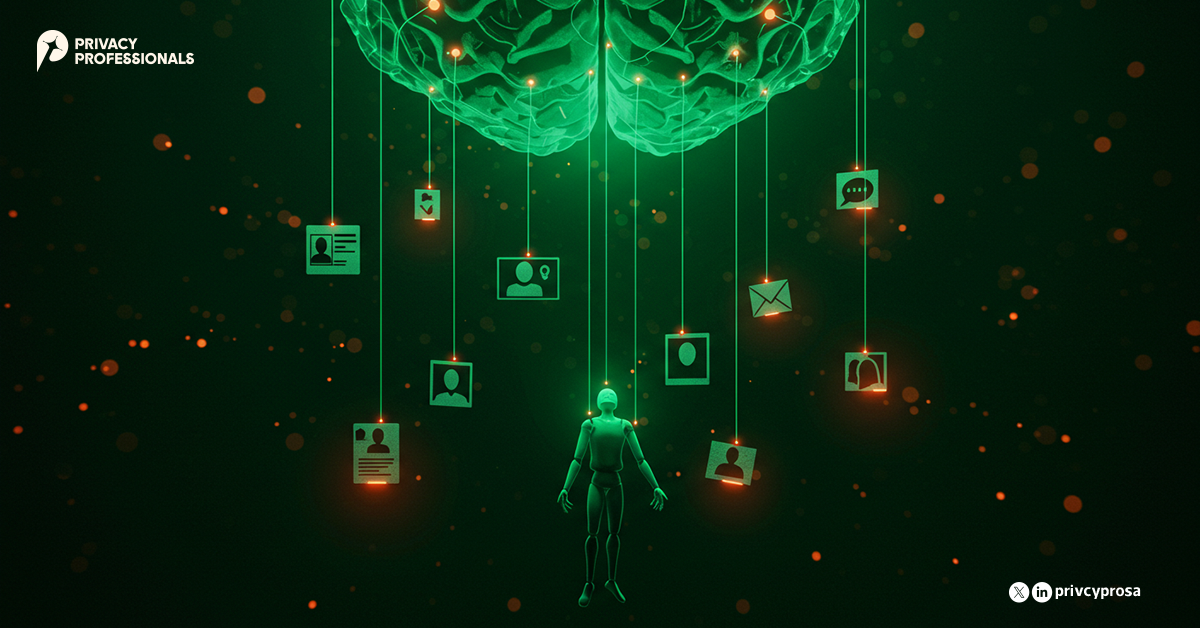
A major investigation has revealed that DataComp CommonPool, one of the largest open-source datasets used for training AI image-generation models, contains millions of examples of personal data. Researchers found thousands of images of passports, credit cards, birth certificates, driver’s licenses, and other official identity documents within just 0.1% of the dataset, leading to the estimate […]

Global Consensus at Human Rights Council on Saudi Arabia’s Child Cyber Protection Resolution Saudi Arabia has taken a leading role in global child online safety with a landmark resolution unanimously adopted by the Human Rights Council (HRC). The resolution, rooted in the “Child Protection in Cyberspace” initiative launched by Crown Prince Mohammed bin Salman, was […]

On July 2, 2025, Australian airline Qantas announced that one of its call centers had suffered a major cyberattack, resulting in the leak of personal data belonging to up to six million customers. The incident is considered one of the largest cyberattacks ever witnessed in the Australian aviation sector in recent times. Incident Details The […]
The judicial arena today, in the digital age, has witnessed remarkable development in judicial work tools due to the technological revolution. One of the most prominent manifestations of this is the introduction of expert intelligent systems as technical assistants to judges, through analyzing data, assessing facts, and providing technical opinions. Since these systems are capable […]

The Children’s Online Privacy Protection Act (COPPA) is the cornerstone of protecting the data of children under the age of 13 in the United States. Since its enactment in 1998, it has aimed to set clear standards for how children’s data is collected, used, and shared by websites and digital services. With the massive digital […]
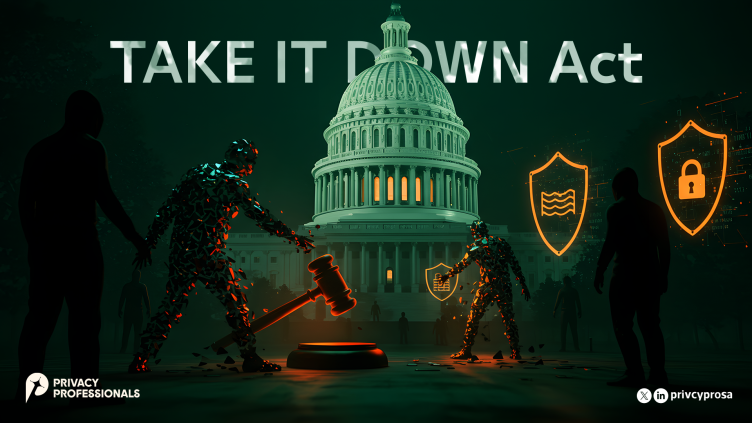
On May 19, 2025, U.S. President Donald Trump signed a new federal law known as the “Take It Down Act,” making it the first legislation of its kind to explicitly criminalize the publication or threat of publishing offensive or inappropriate images or videos without the consent of their owners—whether real or altered using artificial intelligence […]
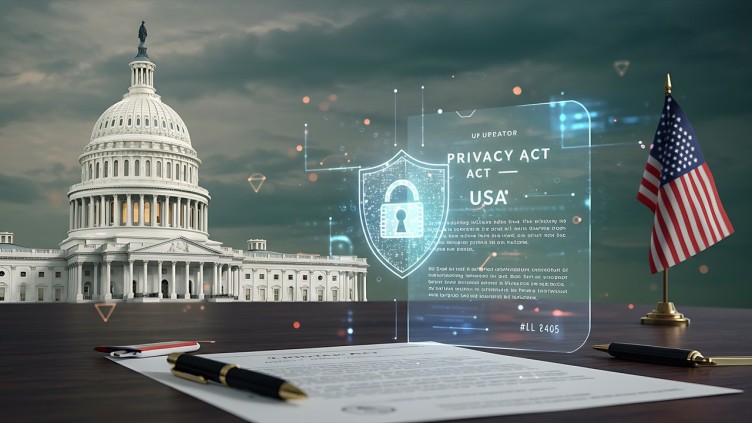
The global trend toward redefining digital privacy: the United States and a new proposal to update the federal privacy bill as an example.
- 1
- 2