

The Children’s Online Privacy Protection Act (COPPA) is the cornerstone of protecting the data of children under the age of 13 in the United States. Since its enactment in 1998, it has aimed to set clear standards for how children’s data is collected, used, and shared by websites and digital services. With the massive digital […]
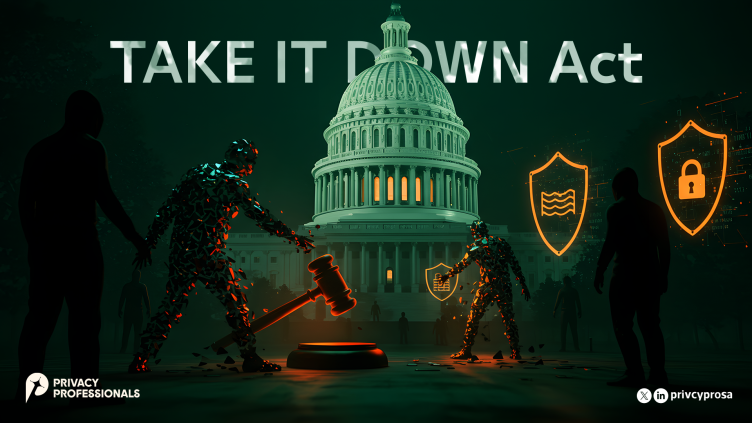
On May 19, 2025, U.S. President Donald Trump signed a new federal law known as the “Take It Down Act,” making it the first legislation of its kind to explicitly criminalize the publication or threat of publishing offensive or inappropriate images or videos without the consent of their owners—whether real or altered using artificial intelligence […]

The Saudi Data and Artificial Intelligence Authority (SDAIA) has published the Draft Controls Governing Commercial, Professional, and Non-Profit Activities Related to Personal Data Protection for public consultation, open from 23 April to 20 May 2025. The draft aims to regulate the practices of personal data protection, including advisory services, technical solutions, training programs, and the […]
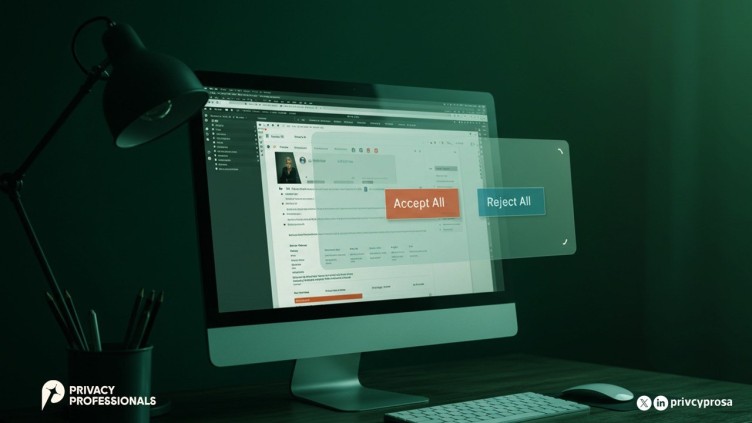
In March 2025, Honda reached a settlement with the California Privacy Protection Agency (CPPA), agreeing to pay a fine of $632,500 (approximately 2,373,000 Saudi riyals) due to violations related to the use of cookies in a manner that was not compliant with the California Consumer Privacy Act (CCPA) This case highlights the growing importance of […]

The global trend toward redefining digital privacy: the United States and a new proposal to update the federal privacy bill as an example.
An overview of the strict and severe penalties faced by technology companies in Europe in relation to data protection and privacy laws.

The Swedish government has introduced a new bill proposal in parliament concerning data storage for telecommunications companies, mandating applications like WhatsApp and Signal to retain a record of messages. This proposal has encountered strong opposition from various stakeholders, including tech companies such as Signal and Meta (the owner of WhatsApp), as well as the Swedish Defense Forces.

“Data is like water; it flows freely, but every nation has the right to shape its own channels.”
Introduction
Gartner estimates that global spending on public cloud services will reach $679 billion by 2025, while IBM’s 2024 report indicates that the average cost of a data breach has risen to $4.45 million. These figures reinforce the status of data as a strategic asset, fueling the race for data sovereignty — a nation’s or organization’s ability to control where its data is processed and who has the legal authority to access it.