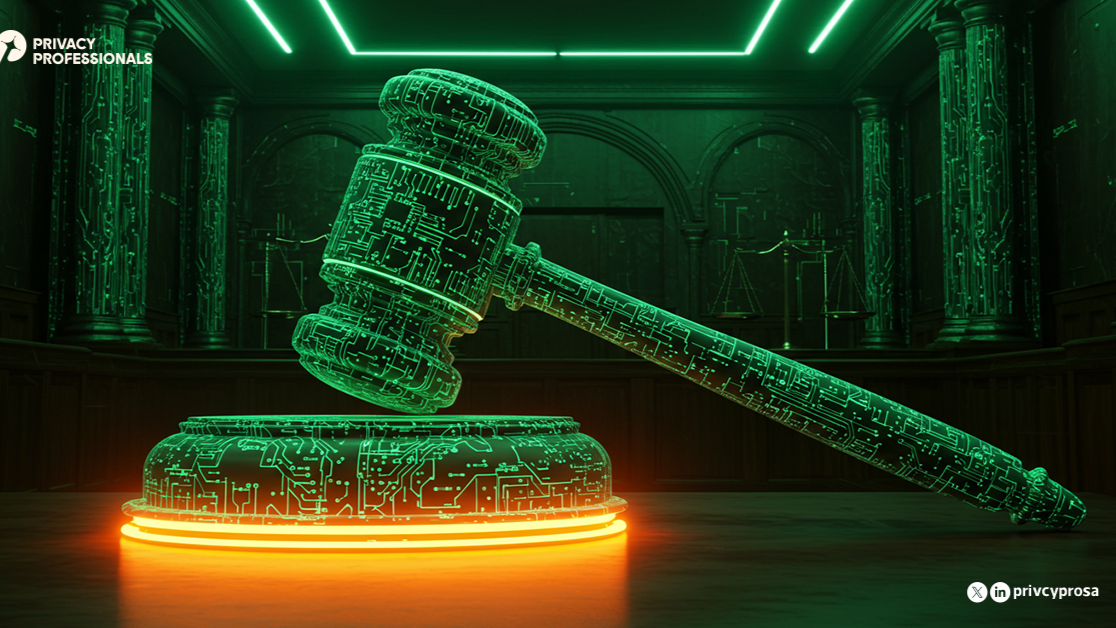
The judicial arena today, in the digital age, has witnessed remarkable development in judicial work tools due to the technological revolution. One of the most prominent manifestations of this is the introduction of expert intelligent systems as technical assistants to judges, through analyzing data, assessing facts, and providing technical opinions. Since these systems are capable of processing vast amounts of information using precise algorithms, questions have arisen regarding the legitimacy of relying on them in the judicial sector and replacing human expertise with them.
This article discusses the ruling on the use of expert intelligent systems in the judiciary after clarifying their nature.
The Scenario:
The matter can be illustrated through the following example:
A person sues another for causing financial damage due to a professional error, such as providing erroneous consultation that resulted in losses. For the judge to determine the extent of the defendant’s liability and the compensation value, it is necessary to refer to experts. The judge then uses the expert system, which analyzes the plaintiff’s financial documents before and after the damage, compares their similar financial and commercial activities during the same period, inquires from relevant authorities, then estimates the actual losses and presents this result to the judge.
First: The Legitimacy of Seeking the Expert’s Assistance in the Judiciary
There is no disagreement among jurists regarding the legitimacy of the judge seeking the assistance of an expert. As for the Saudi legislator, this has been explicitly stated in:
- Article (91) of the Evidence Law: “The court may, when necessary, appoint an expert to verify the existence of custom or usage between the parties.”
- Article (108) of the same law: “The court may appoint an expert to assist in inspection, and it may hear from any witness it deems necessary.”
Since the expert intelligent system is a technical extension of experts, the ruling on seeking its assistance is analogous to the ruling on seeking the assistance of a human expert.
Second: The Ruling on the Use of Expert Intelligent Systems in the Judiciary
The use of expert intelligent systems in judicial work is a contemporary matter considered permissible. This permissibility is based on the following considerations:
First: In Islamic jurisprudence, “Al-Bayyina” (evidence) refers to what clarifies and reveals the truth. If a ruling is established through any means, including intelligent systems—it is validly judged.
Second: Islamic Sharia is founded on securing benefits and preventing harms. The use of expert intelligent systems offers predominant benefits, including expedited case resolution, conservation of effort and time, and reduced human error.
Third: Means derive their rulings from their objectives; any method enabling the attainment of a just ruling is permissible.
Fourth: The Saudi legislator has designated the use of experts to the judge’s discretionary authority, encompassing both human experts and intelligent systems.
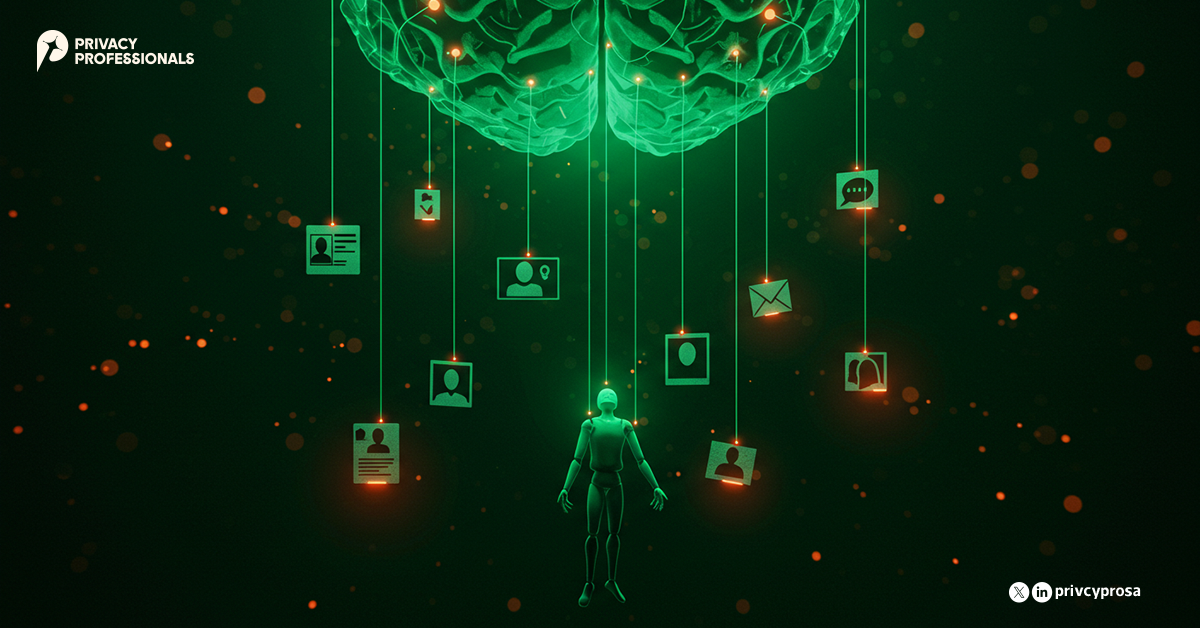
This issue is linked to a modern concept that has recently come into use, known as Automated Decision Making (ADM), which refers to making a decision through automated processes without any human intervention. These decisions can be based on factual data, as well as digital profiles or inferred data. The conditions for its application will be discussed below.
Third: Conditions for Using Intelligent Systems and Applying the Concept of Automated Decision Making in Modern Systems
- The tool must be under the supervision of the judge; system outputs should not be relied upon without verification.
- Intelligent systems must not independently issue judicial rulings; their role is limited to assessment and analysis.
- Ensuring neutrality and transparency in the system’s algorithms.
- Subjecting the system to multiple tests to determine the accuracy of its results.
- Allowing the parties to exercise their right to discuss the expert’s opinion and provide comments.
- The expert system must provide a report detailing its procedures, results, opinion, and supporting evidence, and this must be clear and transparent.
- Automated systems must adhere to the highest standards of data protection and privacy.
Fourth: The Position of the Saudi Regulator
The Saudi regulator has adopted an approach aligned with digital transformations by regulating the use of artificial intelligence technologies through a regulatory framework issued by the Saudi Data and Artificial Intelligence Authority (SDAIA) governing this use—namely, the Principles and Controls of AI Ethics. Additionally, a dedicated framework was established for government entities (Principles of Generative AI for Government Entities). The legislator has defined principles for AI use, summarized in seven principles as follows:
- Principle of Integrity and Fairness.
- Privacy and Security.
- Humanity.
- Social and Environmental Benefits.
- Reliability and Safety.
- Transparency and Explainability.
- Accountability and Responsibility.
The Saudi legislator has also specified the ways in which government entities can benefit from generative artificial intelligence, provided that the previously mentioned principles are adhered to, as follows:
First: Enhancing operational efficiency.
Second: Making informed decisions.
Third: Service quality and citizen support.
Fourth: Accelerating research and analysis.
Fifth: Crisis response.
Sixth: Translation.
Seventh: Content creation.
Conclusion:
The use of intelligent systems represents a development that meets the needs of the era and contributes to improving the quality of work in the judicial sector and achieving justice more efficiently. In reality, it is an extension of what jurists have established regarding the legitimacy of seeking the assistance of experts. Accordingly, the ruling on their use is governed by not violating Sharia and regulatory controls, and that their role remains as assistance, not as independent judicial decision-making. It remains essential that strict regulatory frameworks be established for these systems to ensure integrity and justice.

Privacy Professionals
We provide integrated personal data protection services using innovative technologies that enhance privacy and ensure compliance to regulations, in collaboration with trusted global partners and pioneers in advanced technical solutions adapted to the laws and requirements of local regulators.